

Capture the returned tray
One photo connects the meal served with what the patient actually consumed.
NUTRI-GUARD AI · AI FOOD INTAKE MONITORING FOR HOSPITALS
Make intake visible. Keep dietitians in the lead. Nutri-Guard AI turns returned tray photos into measured intake data. Registered dietitians see declining intake sooner and keep complete documentation ready for clinical review.
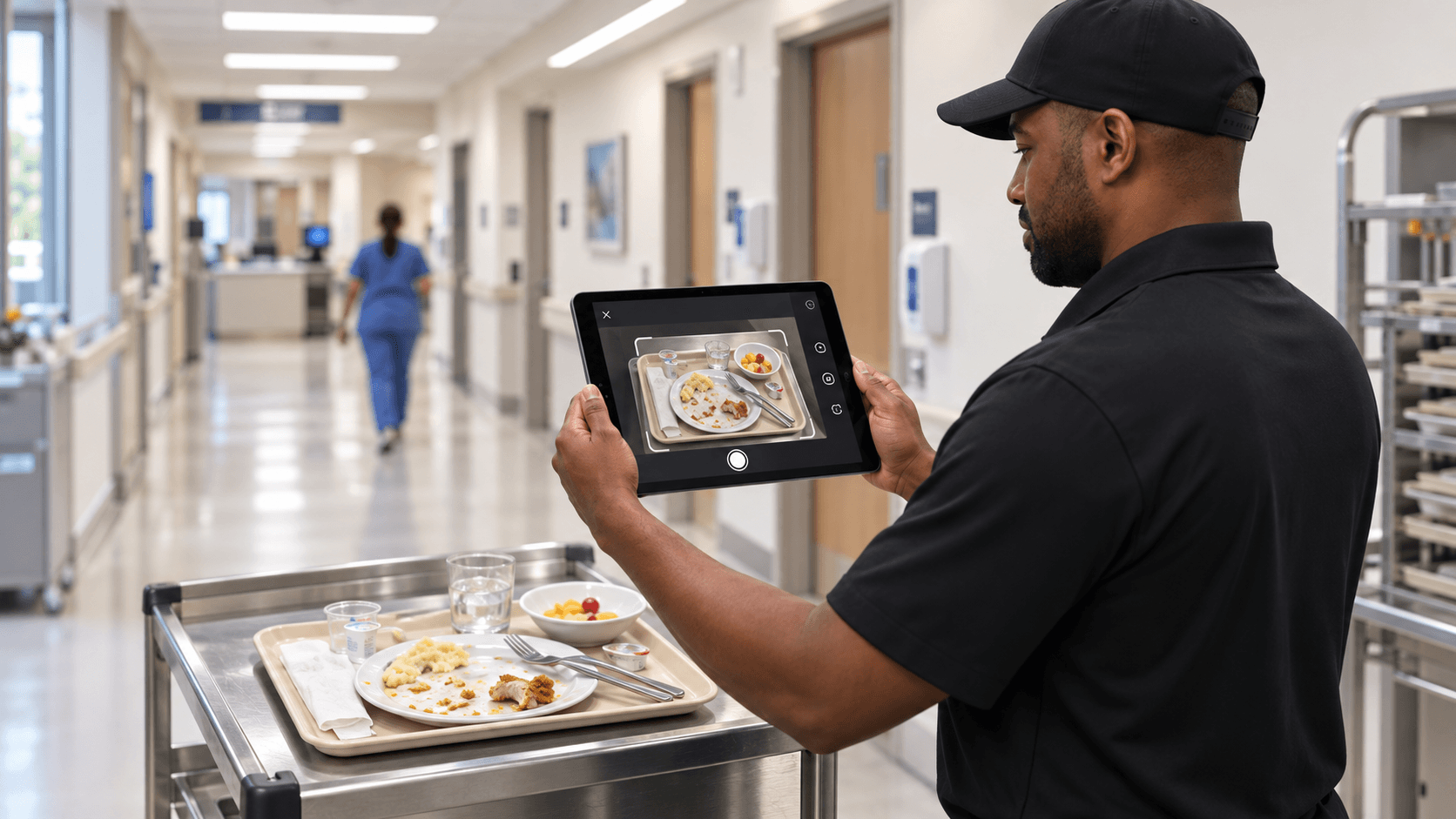
One photo connects the meal served with what the patient actually consumed.
Declining energy, protein, and food-item intake becomes visible for registered dietitian review.
Keep the clinical evidence and documentation available for physician review without asking dietitians to code.
SEE IT IN ACTION
Watch the complete Nutri-Guard AI workflow in 15 seconds, from returned tray capture to documentation reviewed by clinicians.
Link real meal evidence to the patient record.
Review food item, energy, and protein intake.
Carry the documented clinical findings forward for physician review and coding.
FROM OBSERVATION TO EVIDENCE
Nutri-Guard AI is an AI food intake monitoring system for hospitals.
It measures what inpatients actually eat from photos of returned trays and turns each meal into an intake record
for each patient that registered dietitians can review over time.
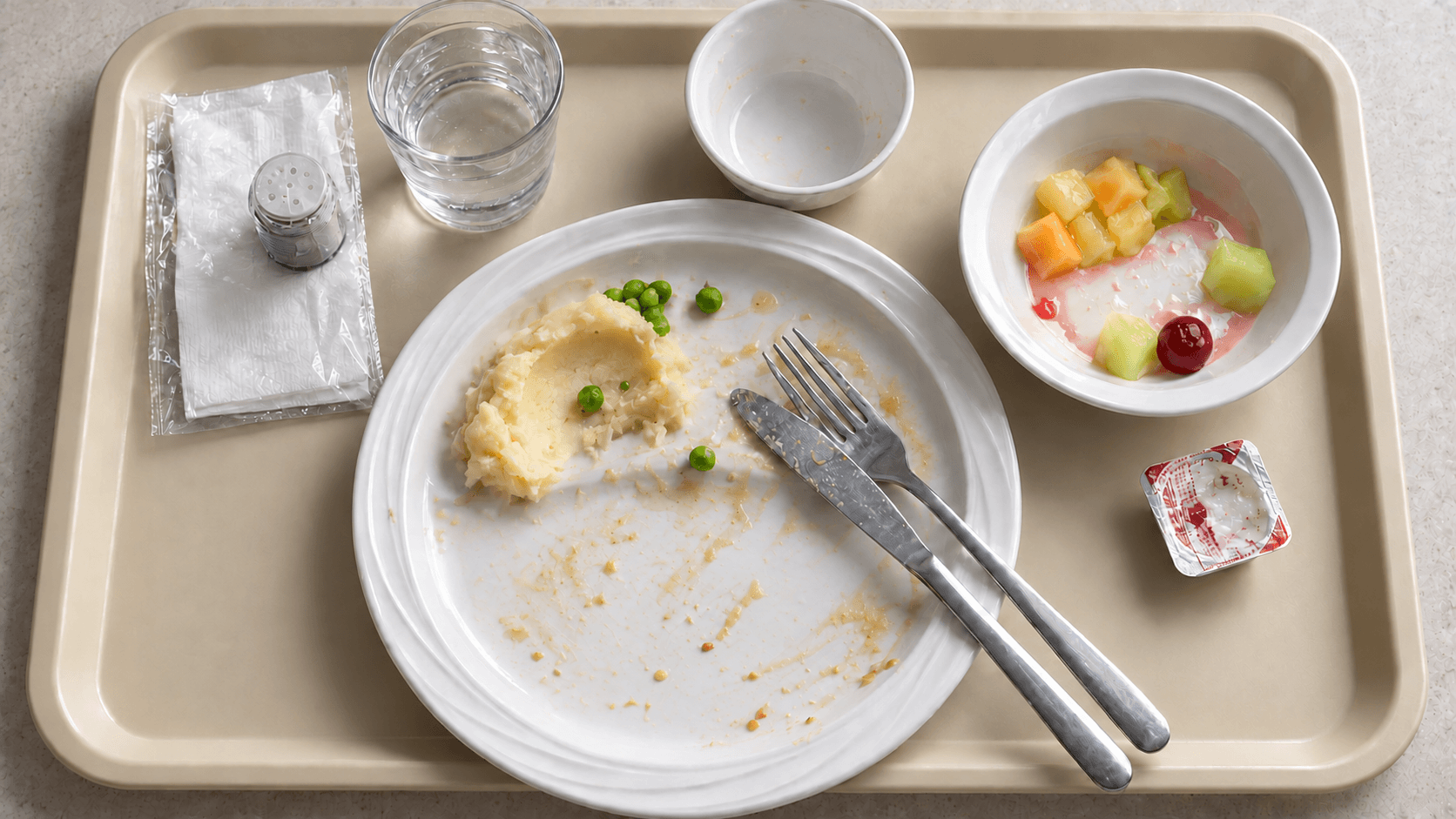
Today, intake is often a rough visual estimate (50%, 100%) written into the chart, not structured clinical data.
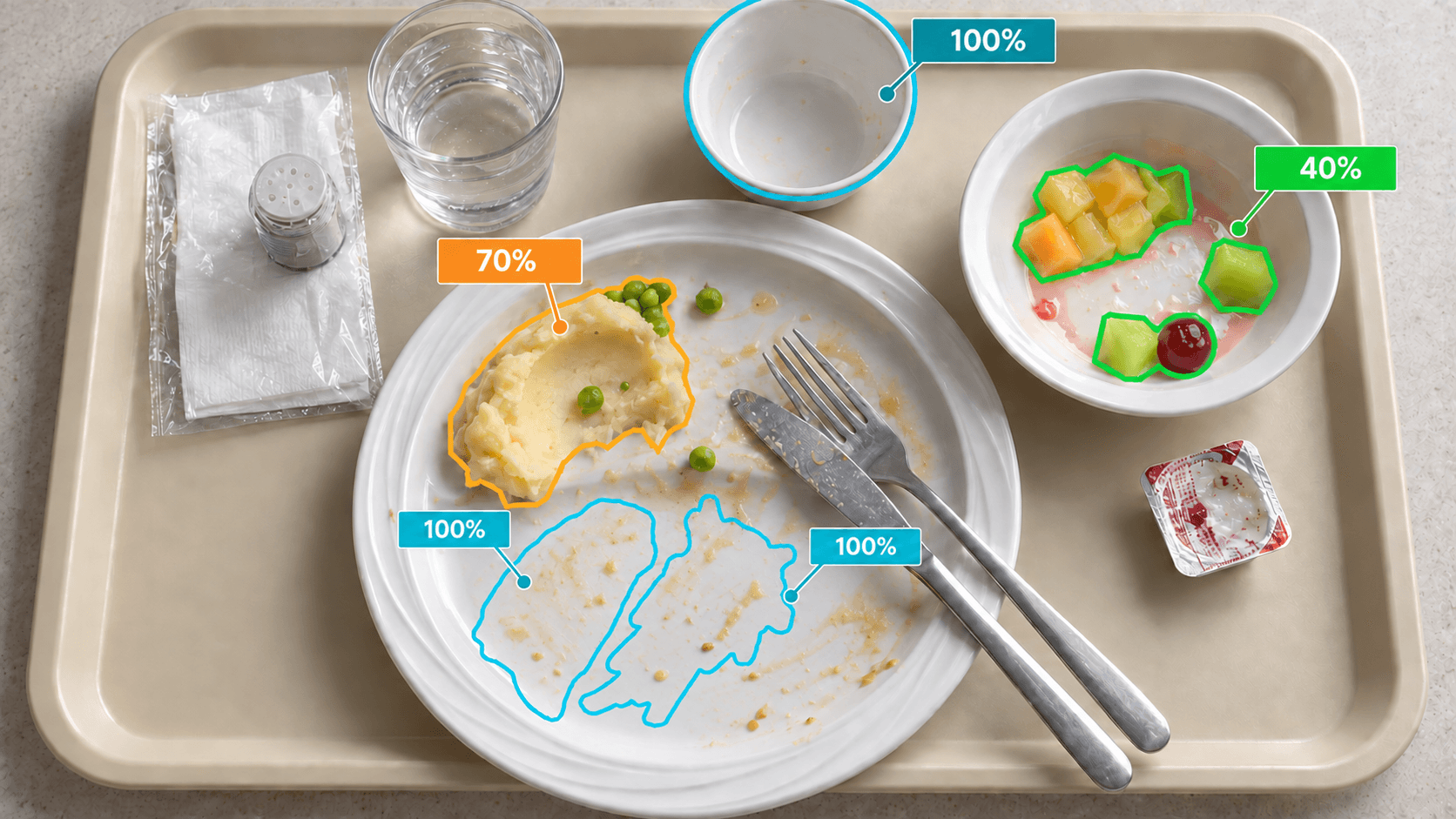
Food items and intake measured from photos become evidence for each patient that you can review across meals.
03 · CLINICAL REVIEW
Longitudinal intake evidence gives registered dietitians a clearer basis to review risk and document their assessment.
FIND · Surface sustained intake gaps soonerRD REVIEW · Keep intake evidence with the assessment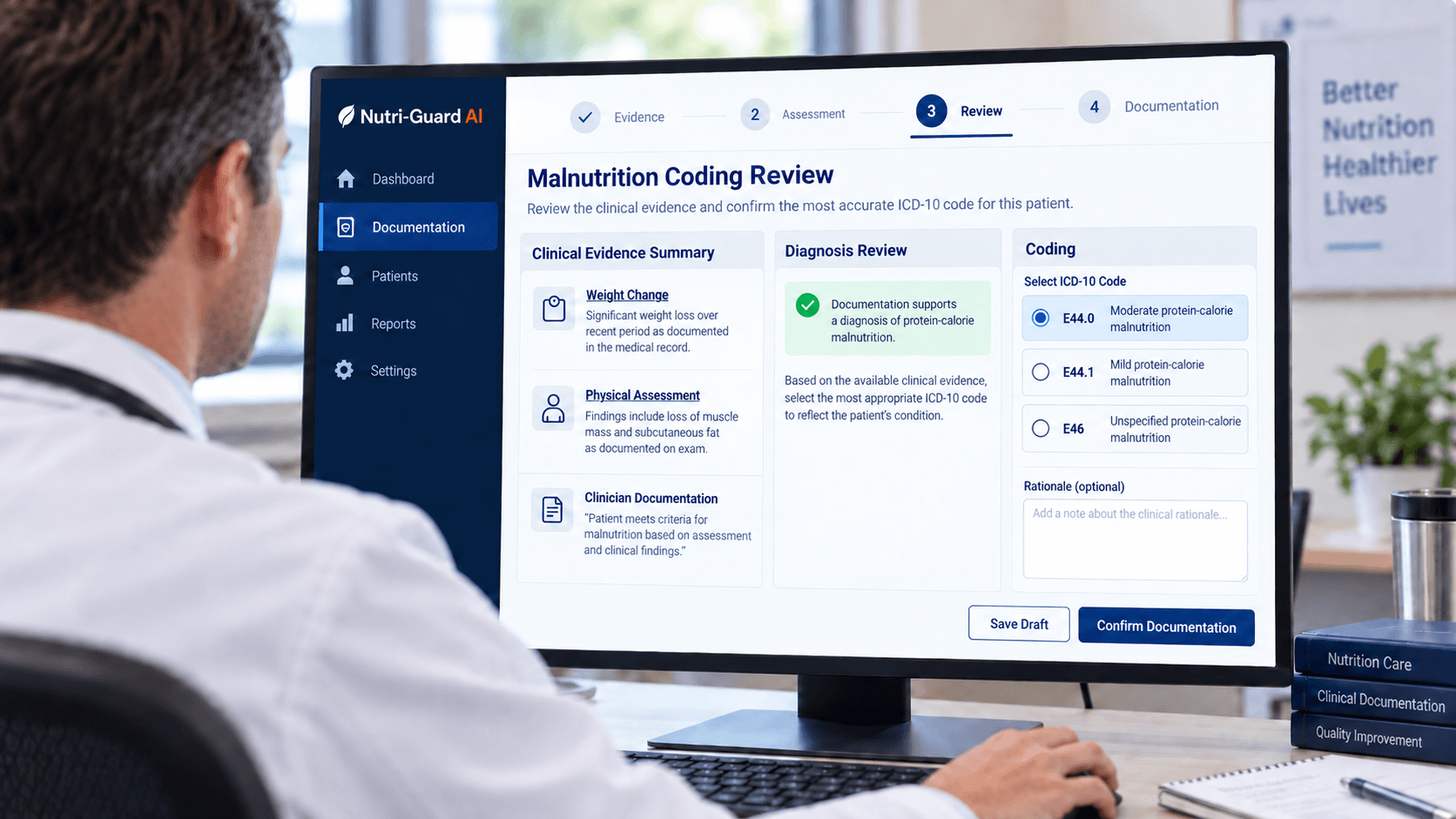
THE GAP IN ONE VIEW
An estimated 30% of hospitalized adults are at nutritional risk, while about 8.9% receive a coded malnutrition diagnosis.
That leaves a 21.1% gap between risk and documented care.¹
30% AT RISK · 21.1% DOCUMENTATION GAP · 8.9% DIAGNOSED & CODED
WHAT THE GAP MEANS
Illustrative estimate: 400 beds × 50 annual inpatient discharges per bed × 21.1% documentation gap × $1,700 per case ≈ $7.2M annually. Varies by payer mix, MS-DRG assignment, and POA status.
Not a reimbursement guarantee. Sources: Journal of Hospital Medicine, 2024; Nutrition in Clinical Practice, 2021.
CMS MALNUTRITION CARE SCORE
The Malnutrition Care Score (MCS, formerly the Global Malnutrition Composite Score) evaluates whether eligible adult encounters receive the appropriate sequence of malnutrition care.
Screen for malnutrition risk or place a dietitian referral.
Confirm findings through an RD or RDN assessment.
Document moderate or severe malnutrition when clinically appropriate.
Document a current nutrition care plan for eligible patients.
Nutri-Guard AI is an intake evidence and monitoring layer that supports nutrition assessment and care plan follow-up. It supports, never replaces, clinician judgment required documentation, EHR implementation, or CMS compliance review.
Review the official eCQM specifications ↗Nutri-Guard AI runs on Nuvilab's food AI platform, which has analyzed 100M+ meals across 1,300+ sites as of Sep 2026.
 #11 globally · 2025
 Innovation Award · 2024
 Silver Award · 2023
 Circular Economy cohort · 2023
Platform, research, and partnership references behind Nutri-Guard AI. Hospital validation specific to Nutri-Guard AI is in progress. Results will be published when available.
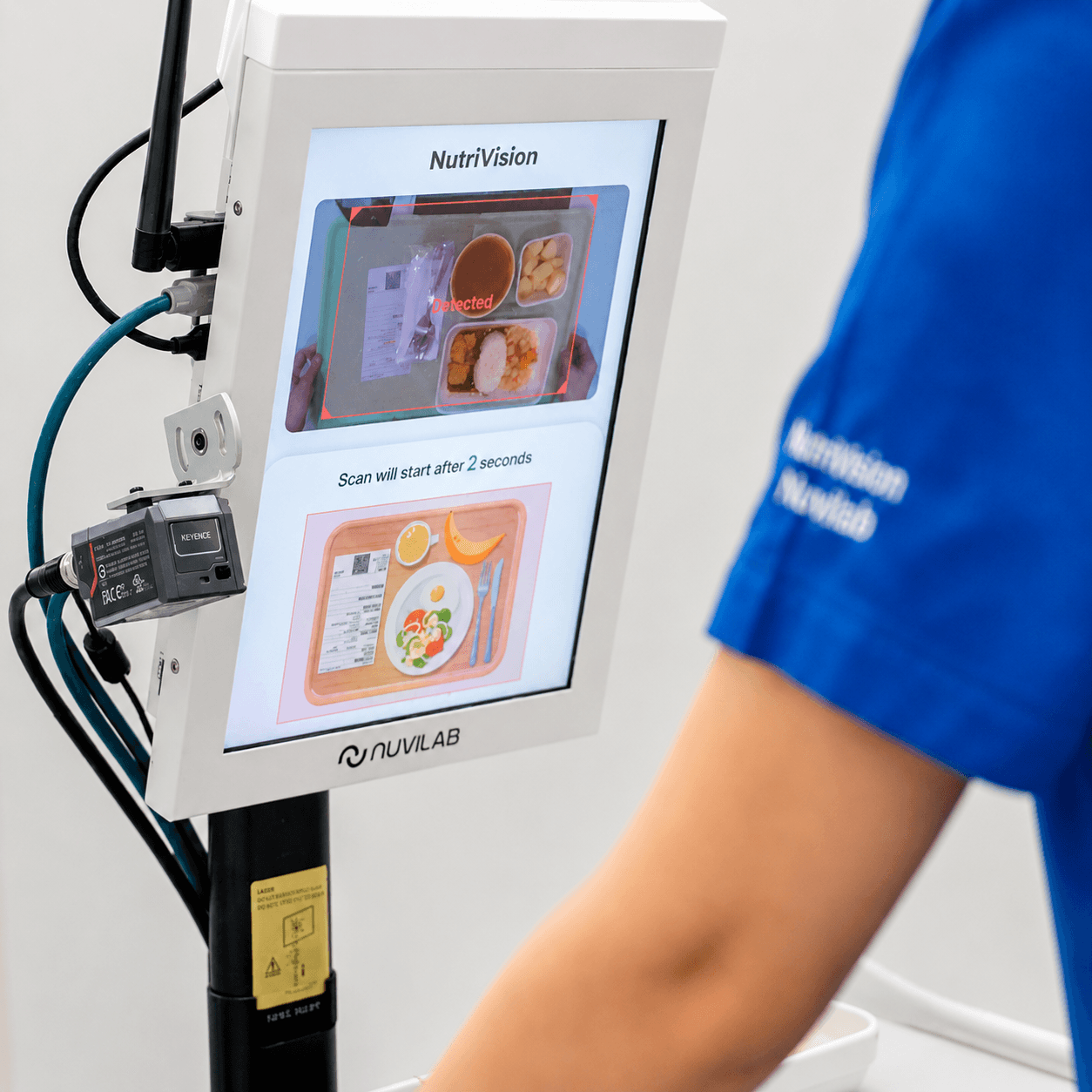
Intake measured in hospital settings is the direct foundation for the Nutri-Guard AI clinical workflow.
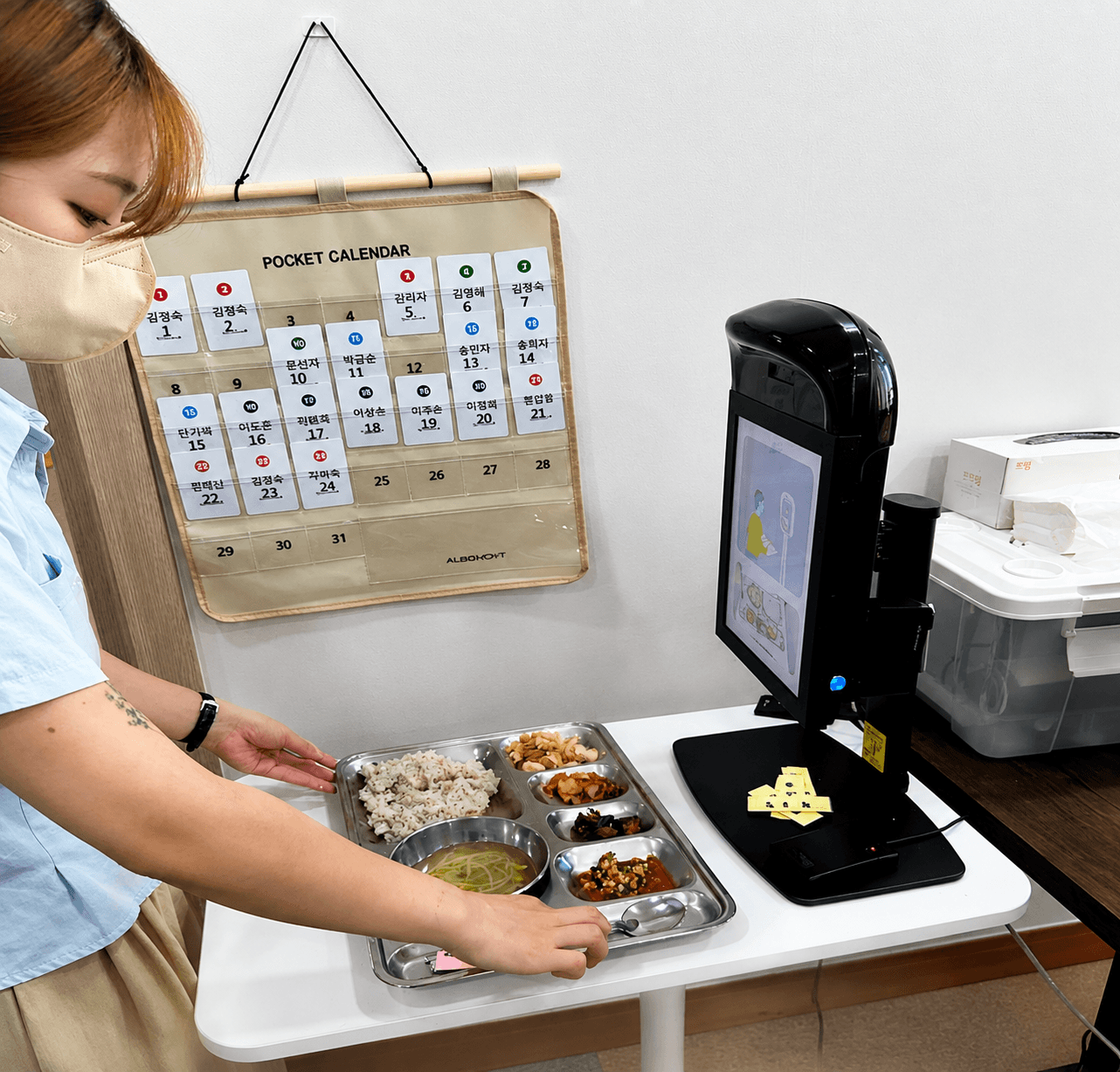
Meal intake data supported a personalized nutrition intervention study across elder care facilities.
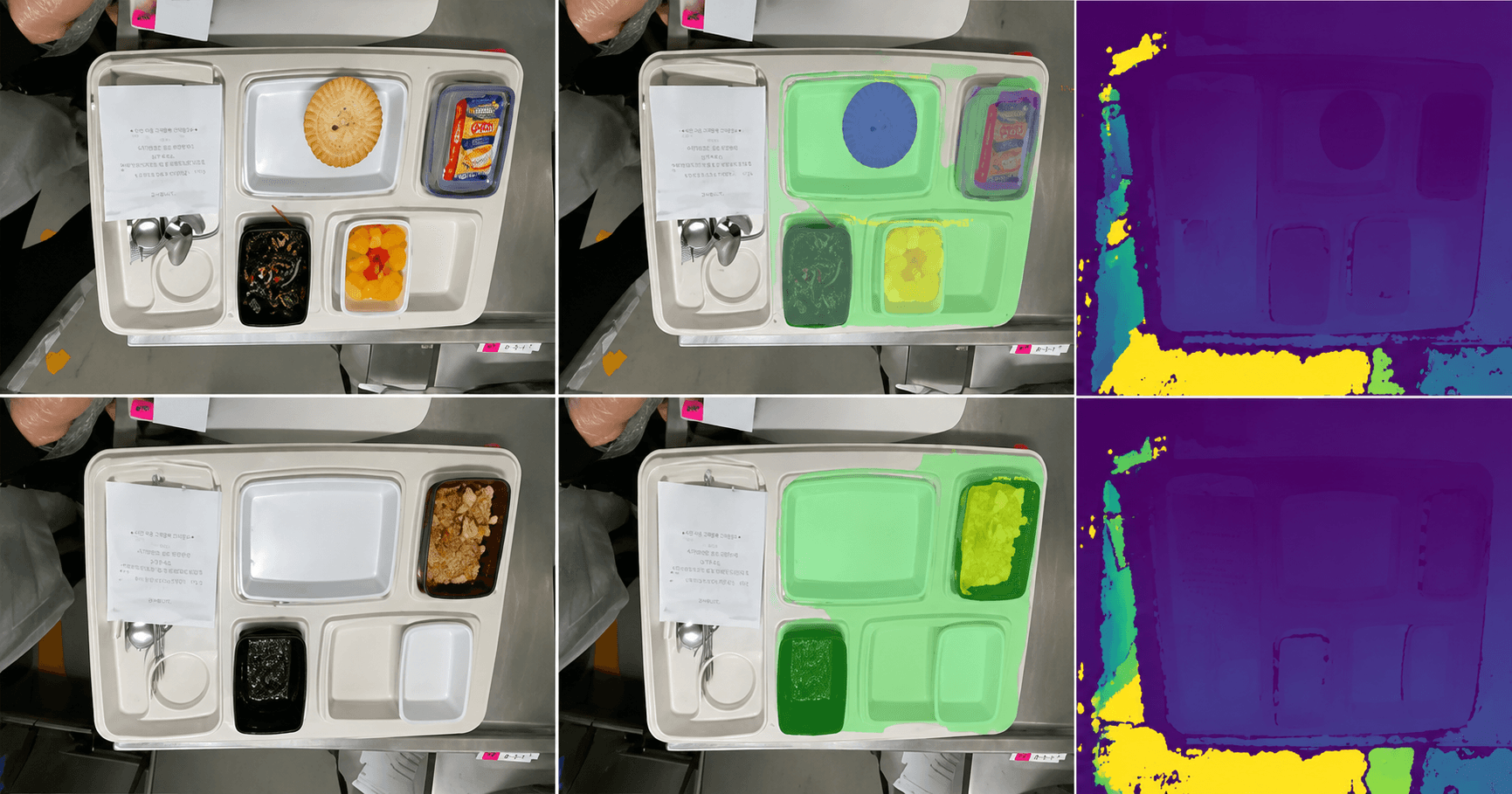
A hospital partnership exploring automated tray scanning as an alternative to manual estimation.
Make every meal part of the care record
Contact us